
I help professionals build genuine resilience
Not just surviving high-pressure environments — actually thriving through them. I’ve spent 14 years helping Hong Kong’s brightest professionals develop the mental flexibility to navigate rapid change, reframe setbacks as growth, and maintain composure when uncertainty hits.
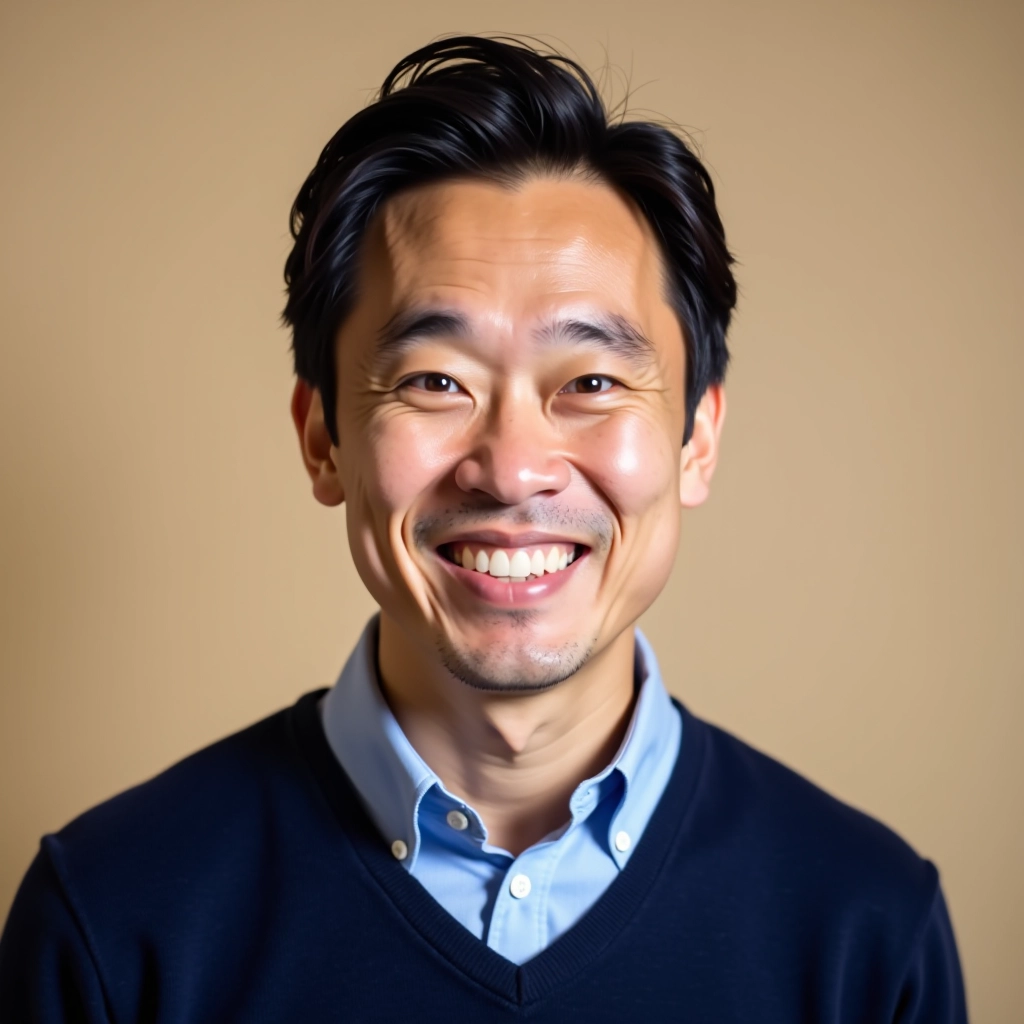
How I got here
Back in 2009, I was working in organizational development at one of Hong Kong’s biggest investment banks. The job was intense — market volatility, restructuring, impossible deadlines. I noticed something that bothered me: the most technically skilled people were burning out fastest.
They’d mastered their craft. Really mastered it. But when markets shifted overnight or deals fell through, they’d spiral. Not because they lacked intelligence or competence. They lacked something else — the ability to stay flexible when things went sideways. I realized the gap wasn’t in their skills. It was in their mindset.
So I started digging. I pursued a Master’s degree in Applied Psychology from the University of Hong Kong, then specialized certifications in cognitive behavioral coaching through the International Coach Federation. What I learned changed everything.
Started in org development at Hong Kong investment bank. First encounters with burnout patterns.
Completed Master’s in Applied Psychology, University of Hong Kong. ICF cognitive behavioral coaching certification.
Founded first resilience training program for multinational teams. Started working with 50+ professionals annually.
Joined Mindshift Academy Limited as Training Director. Scaled to 3,500+ trained professionals across Hong Kong.
Here’s what I discovered: adaptability isn’t something you’re born with. It’s a skill. A learnable, developable skill. People can build genuine mental flexibility — not the “positive thinking” kind, but real psychological flexibility grounded in neuroscience and behavioral psychology.
Over the past 14 years, I’ve worked with people across Hong Kong’s financial sector, tech startups, government organizations, and multinational corporations. I’ve helped teams navigate restructuring, market crashes, leadership changes, and the kind of uncertainty that comes with running a business in one of the world’s most competitive cities.
Four areas of focus
Each built on evidence-based frameworks adapted to Hong Kong’s specific business environment.
Mental Flexibility
I teach professionals how to hold multiple perspectives simultaneously. When market conditions shift or organizational priorities change, you don’t freeze — you adapt. This isn’t about being passive. It’s about genuine cognitive flexibility that lets you respond instead of react.
Reframing Setbacks
Failed projects, missed promotions, market downturns — these aren’t just obstacles. I work with teams to systematically extract learning from setbacks. The mindset shift is profound. You stop viewing failure as evidence of incompetence and start seeing it as data for improvement.
Coping Strategies
High-pressure environments are a reality in Hong Kong. Rather than pretending stress doesn’t exist, I help individuals build personalized coping strategies that actually work for their life. Not generic breathing exercises. Practical tools designed around how you actually work and think.
Composure Under Pressure
When uncertainty spikes — market volatility, organizational change, competitive threats — most people’s nervous systems take over. I train professionals in neurobiological techniques that help you maintain steady composure and clear thinking even when everything around you feels chaotic.
What I believe
Resilience is earned, not given
You can’t buy resilience or download it. It develops through deliberate practice, genuine self-reflection, and working through real challenges with proper support. That’s why I design programs around actual workplace scenarios, not abstract theory.
Culture matters more than tactics
Teaching someone breathing exercises without changing how their organization treats failure is like putting a band-aid on a broken arm. Real resilience requires culture shift. I work with leadership and teams together.
Eastern wisdom meets Western science
Hong Kong is unique — we blend traditional practices with modern business intensity. My programs integrate principles from positive psychology, neuroscience, and practices that fit our cultural context. Not generic Western frameworks forced into a local setting.
Setbacks are information
When something goes wrong, most people see failure. I train teams to see feedback. What didn’t work? Why? What’s the learning? This shift — from shame-based thinking to learning-based thinking — changes everything about how people approach challenges.
“Adaptability isn’t a fixed trait. It’s a skill. And like any skill, you can get genuinely better at it — if you’re willing to practice deliberately and learn from real experience.”
— Michael Wong
Training and credentials
Master’s Degree
Applied Psychology, University of Hong Kong (2013). Thesis focused on workplace adaptability and organizational resilience in high-pressure financial environments.
ICF Certification
International Coach Federation Level 2 Accreditation, specialized in cognitive behavioral coaching and organizational change. Active member since 2014.
Training Director
Mindshift Academy Limited. Design and deliver customized resilience programs for multinational teams. Trained 3,500+ professionals since 2015.
Published Research
Regular contributor to Hong Kong’s professional development community on workplace resilience, mental flexibility, and organizational adaptability. Featured in HR publications and professional forums.
Recent writing
Practical insights on building resilience and mental flexibility in your work and life.
How to Bounce Back When Work Plans Fall Apart
Setbacks happen. The question isn’t whether they’ll happen to you — it’s how you’ll respond when they do. Here’s a framework that actually works.
Building Your Personal Coping Strategy for High-Pressure Days
Generic stress management doesn’t work. You need coping strategies built around how you actually work. Let me show you how to build your own.
Developing Mental Flexibility in Rapid Change
Markets shift. Organizations restructure. Priorities change overnight. Mental flexibility isn’t about staying positive — it’s about staying adaptable. Here’s how.
Maintaining Composure During Uncertainty
When everything’s uncertain, your nervous system takes over. Learn the neurobiological techniques that help you stay clear-headed when pressure spikes.
Ready to build resilience?
Whether you’re an individual looking to strengthen your adaptability or a team leader wanting to create a more resilient culture, let’s talk about what’s possible.